The Future of Diesel in Alberta: Navigating Tech Trends in Calgary
Reading Time: 4-5 minutes
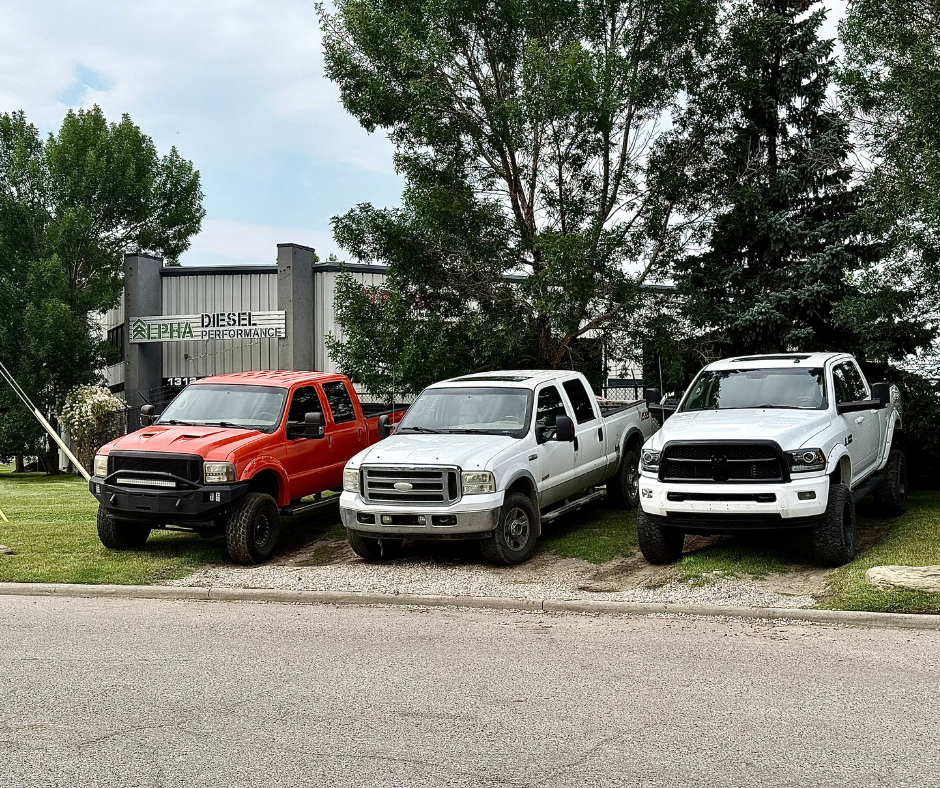
If you drive a diesel in Southern Alberta, you already know your truck is more than just transportation. Whether you’re running a heavily modified 2019 RAM 2500 Cummins down Deerfoot Trail, managing an 18-truck fleet servicing the oilfields near Red Deer, or hauling a 30-foot living-quarters horse trailer down the Cowboy Trail, your rig is a vital tool.
But let’s be honest: the landscape for diesel owners is changing rapidly. With growing conversations around emissions regulations, roadside CVIP (Commercial Vehicle Inspection Program) audits for commercial drivers, and the evolution of "clean diesel" technology, many Calgary diesel owners are left wondering: What does the future hold for my truck?
The CVIP Crackdown: What Calgary Owner-Operators and Fleet Managers Need to Know for their Commercial trucks
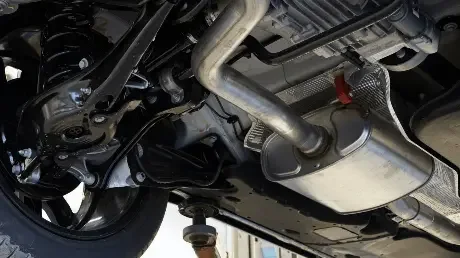
We’ve seen a noticeable uptick in roadside commercial inspections along major Alberta corridors like the QEII and Stoney Trail. Regulatory bodies are paying closer attention to emissions equipment, specifically Diesel Particulate Filters (DPF), Selective Catalytic Reduction (SCR), and Exhaust Gas Recirculation (EGR) systems.
For fleet managers or independent haulers, a single failed inspection or "red tag" can ground a truck instantly, costing upwards of $2,000 a day in lost revenue.
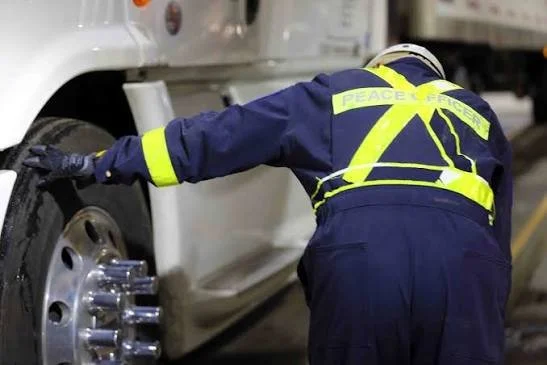
The Reality of Modern Commercial Inspections: Inspectors are no longer just looking for visual smoke. They are increasingly using OBD-II scan tools to check for emission monitors that have been turned off or bypassed.
Is "Clean Power" really the New Frontier for Diesel Enthusiasts?
For the performance crowd of Calgary, there’s the choice to be made between keeping your emission systems intact vs. getting the serious horsepower you desire. The larger international diesel performance industry appears to be debating recently about Emission-Compliant Performance.
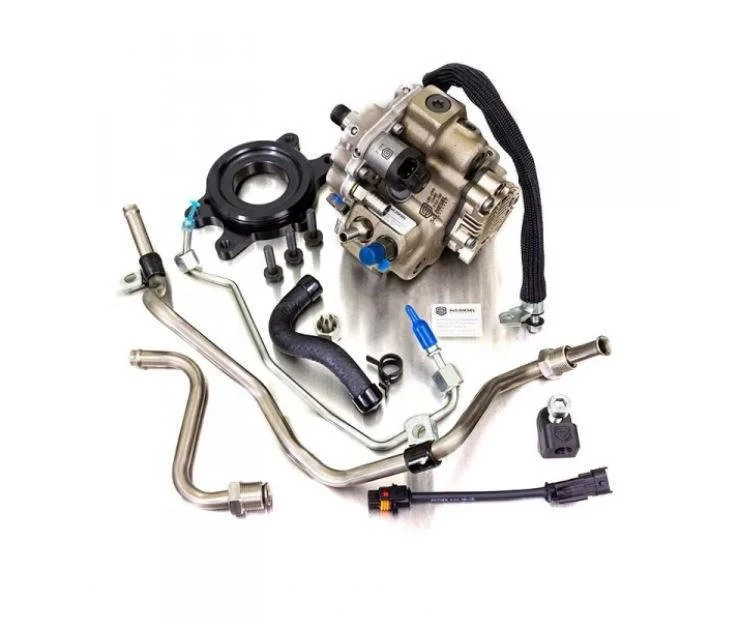
Advanced Turbo Technology: Upgraded drop-in VGT (Variable Geometry Turbo) chargers and high-pressure fuel pumps (like the S&S Diesel CP4-to-CP3 conversion kits) are designed to work seamlessly with factory emissions equipment in a stock truck. They deliver massive torque gains without producing the heavy particulate matter that plugs DPFs.
Is Diesel Tuning Evolving? Master tuners may also be evolving, writing highly sophisticated calibration maps that to optimize fuel injection timing and rail pressure for cleaner combustion, more horsepower, lower exhaust gas temperatures (EGTs), and fewer DPF regeneration cycles.
Could a world where you don’t need to delete your truck to make it reliable or powerful be possible in the near future? Even if so, you’ll still need a shop that knows how to tune that modern diesel correctly.
Calgary's Climate: The Ultimate Test for Stock diesel systems
Alberta’s wild weather swings—from a freezing -30°C morning to a sudden +10°C Chinook afternoon—create a brutal environment for diesel exhaust fluid (DEF) systems and advanced exhaust sensors in stock trucks. DEF freezes at -11°C, which is why a truck is equipped with internal DEF tank heaters and heated lines. If these heaters fail, the truck's computer will trigger a safety protocol countdown timer, eventually sending it into "limp mode." A custom tuned truck is less likely to go into limp mode because the components that typically trigger those faults have been bypassed.
Nitrogen Oxide (NOx) sensors and exhaust gas temperature sensors also frequently fail due to thermal shock (rapid temperature changes from road slush splashing on a hot exhaust). If drive a stock diesel, keeping these sensors clean is key to avoiding sudden dash lights during your winter commute.
Staying Ahead of the Curve:
To ensure your diesel truck is ready for Alberta's demanding climate, keep these key tips in mind:
Get a Professional Advice: Don't wait for a lights to appear. A proactive approach can help identify issues before they leave you stranded.
Prioritize Maintenance: If your truck is stock and you do a lot of short city driving around Calgary, your DPF doesn't get hot enough to perform a complete self-cleaning cycle, so make sure to take it for a highway drive at least once a week to let the system regenerate.
Choose the Right Partner: Look for an independent shop that invests in dealer-level diagnostic equipment and stays up-to-date on the newest diesel performance technologies.
